Introduction
Welcome to this detailed guide on checking out the power of Reiki hand positions. In this post, we will explore the world of Reiki energy recovery and how specific hand positions can be utilized to direct and direct this healing energy. Whether you are new to Reiki or an experienced professional, this guide will supply important insights and techniques to improve your practice.

What is Reiki?
Reiki is a Japanese recovery method that includes the transfer of energy from the practitioner's hands to the recipient's body. The word "Reiki" is stemmed from two Japanese words - "rei" meaning universal, and "ki" suggesting life force energy. It is thought that when this vital force energy becomes low or obstructed, it can cause physical, psychological, or spiritual imbalances. By utilizing specific hand positions, Reiki professionals intend to bring back the circulation of energy and promote healing.
The History of Reiki
Reiki has its roots in ancient Tibetan recovery practices but was uncovered in Advanced Reiki Symbols the late 19th century by Mikao Usui, a Japanese Buddhist monk. Usui developed a system of hand positions and signs that became the structure of modern-day Reiki. Throughout the years, Reiki has actually evolved and branched into different family trees, each with its own unique technique and teachings.

Understanding Reiki Hand Positions
The primary tool utilized in Reiki recovery is the professional's hands. By positioning their hands on or near different parts of the recipient's body, they can channel energy and facilitate healing. Each hand position corresponds to a particular area or organ in the body and targets the matching energetic blockages.
Exploring the Power of Reiki Hand Positions: A Comprehensive Guide
In this area, we will check out in information each hand position used in Reiki recovery:
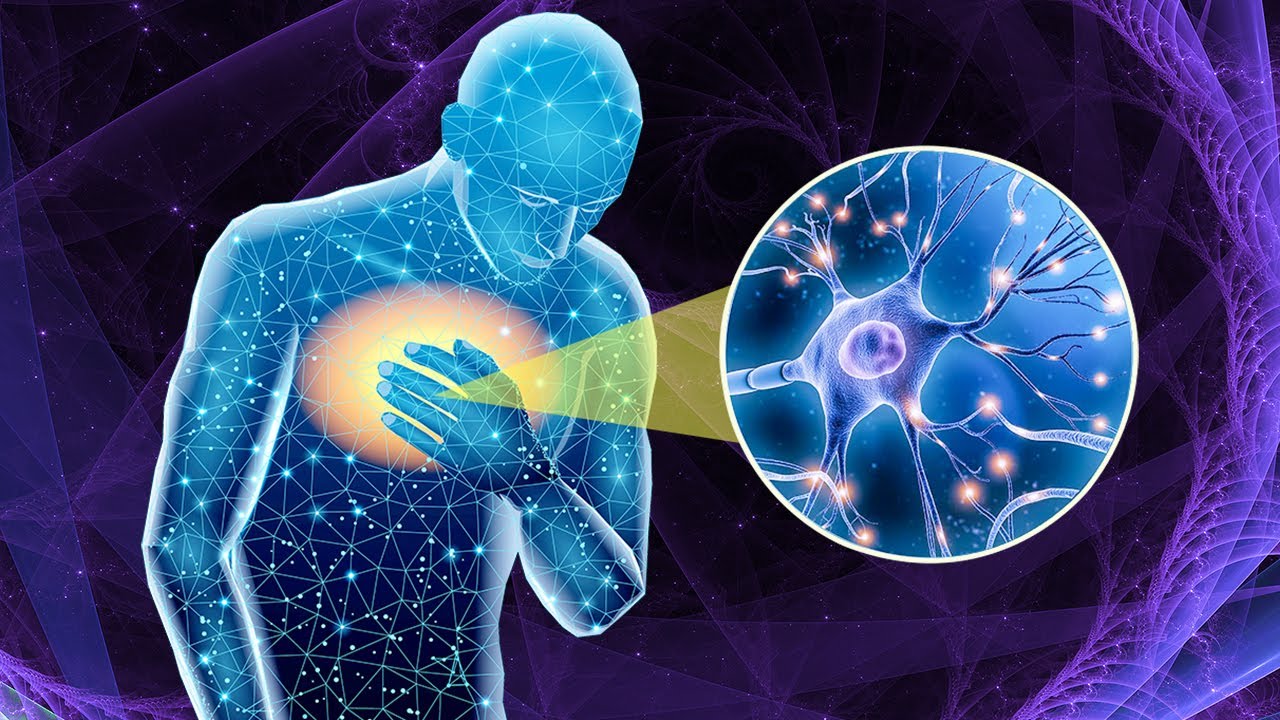
1. Crown Position
- The Crown Position lies at the top of the head and is connected with the spiritual element of an individual. Putting hands carefully on this position can assist balance and line up the recipient's spiritual energy.
2. Third Eye Position
- The Pineal Eye Position is located in the middle of the forehead, simply above the eyebrows. This hand position is believed to improve instinct and promote clearness of thought.
3. Throat Position
- The Throat Position is located on the throat and is connected with interaction and self-expression. By putting hands on this position, Reiki practitioners aim to clear any energetic blockages that might prevent reliable communication.
4. Heart Position
- The Heart Position lies at the center of the chest and corresponds to enjoy, compassion, and emotional well-being. Putting hands on this position can assist release emotional discomfort and promote sensations of love and self-acceptance.
5. Solar Plexus Position
- The Solar Plexus Position lies simply below the ribcage in the upper abdominal area. This hand position targets concerns associated with individual power, self-confidence, and self-confidence.
6. Sacral Position
- The Sacral Position lies in the lower abdominal area, simply below the navel. It associates with sexuality, creativity, and psychological balance. By placing hands on this position, Reiki specialists aim to release any energetic blocks in these areas.
7. Root Position
- The Root Position is located at the base of the spinal column and focuses on grounding and stability. Putting hands on this position can help promote a sense of security and connectedness.
Reiki Symbols: Unlocking Much deeper Healing
In addition to hand positions, Reiki also uses signs as tools for healing and improvement. These symbols are sacred geometric patterns that function as keys to unlock specific energies or intents throughout a Reiki session.
Exploring the Power of Reiki Symbols: A Thorough Guide
In this area, we will explore the different symbols used in Reiki and their significance:
1. Cho Ku Rei Symbol
- The Cho Ku Rei symbol is one of the most frequently utilized symbols in Reiki. It represents power and defense and is typically used to enhance the circulation of Reiki energy.
2. Sei He Ki Symbol
- The Sei He Ki symbol is connected with emotional and psychological healing. It is typically utilized to launch unfavorable emotions, heal previous injuries, and promote emotional balance.
3. Hon Sha Ze Sho Nen Symbol
- The Hon Sha Ze Sho Nen sign is called the distance healing sign. It allows Reiki professionals to send recovery energy throughout time and area, making it an effective tool for remote healing.
4. Dai Ko Myo Symbol
- The Dai Ko Myo symbol represents knowledge and spiritual awakening. It is frequently used to connect with higher levels of awareness and help with spiritual growth.
Reiki Levels: Unleashing Your Healing Potential
Reiki training is divided into various levels, each supplying a much deeper understanding of the practice and opening brand-new capabilities. Visit this link Let's check out the various levels of Reiki:
Exploring Reiki Level 1: A Thorough Guide
Reiki Level 1 focuses on self-healing and learning the foundational methods of Reiki. In this level, specialists are attuned to the Reiki energy and discover hand positions for self-treatment.
Exploring Reiki Level 2: A Thorough Guide
Reiki Level 2 broadens on the strategies found out in Level 1 and presents making use of signs for distant recovery. Professionals at this level acquire the capability to send healing energy across time and space.
The Power of Energy Healing
Reiki is a type of energy recovery that use the universal life force energy to promote healing and well-being. But just what is energy healing, and how does it work?
Energy recovery is based upon the belief that all living beings are comprised of energy. When this energy ends up being imbalanced or obstructed, it can manifest as physical, psychological, or spiritual conditions. Energy healing techniques aim to restore balance and remove blockages, permitting the body's natural healing procedures to take place.
How Does Reiki Work?
Reiki works by transporting universal life force energy through the specialist's hands to the recipient's body. The specialist serves as a conduit for this energy, permitting it to flow through them and into the recipient.
During a Reiki session, the specialist places their hands on or near various parts of the recipient's body, following particular hand positions. As the energy streams through the practitioner's hands, it is thought to communicate with the recipient's energy field, promoting balance and healing.
Frequently Asked Questions
What are the benefits of Reiki?- Reiki has numerous benefits, consisting of tension decrease, discomfort relief, relaxation, emotional recovery, and improved total well-being.
- Yes, Reiki is safe and suitable for people of any ages and conditions. It can complement conventional medical treatment and improve its effectiveness.
- No unique capabilities are required to practice Reiki. Anyone can discover and become a Reiki professional with appropriate training and attunements.
- Yes, Reiki can be utilized alongside other recovery techniques with no conflicts. It can improve the effectiveness of other treatments and promote holistic healing.
- A normal Reiki session lasts anywhere from 60 to 90 minutes, depending upon the practitioner and the client's needs.
- While it is possible to discover some basic Reiki techniques through books or online resources, it is highly advised to get training from a qualified Reiki master for a deeper understanding and correct attunements.
Conclusion
In conclusion, exploring the power of Reiki hand positions is a transformative journey that can lead to enhanced healing capabilities and spiritual development. By understanding the significance of each hand position, learning the power of Reiki signs, and progressing through various levels of Reiki training, specialists can unlock their complete healing potential. Whether you are new to Reiki or have actually been practicing for years, this extensive guide provides valuable insights and methods to deepen your Reiki practice. Embrace the power of Reiki hand positions and start a path of healing, balance, and self-discovery.
.